Hard-Shell vs Soft-Shell Lobster: What's the Difference?
Hard shell vs soft shell lobster explained: how moulting changes meat yield, flavour, price and shipping, the squeeze test, and when NS lobster is hardest.
By NovaShell Editorial Team · · 9 min read
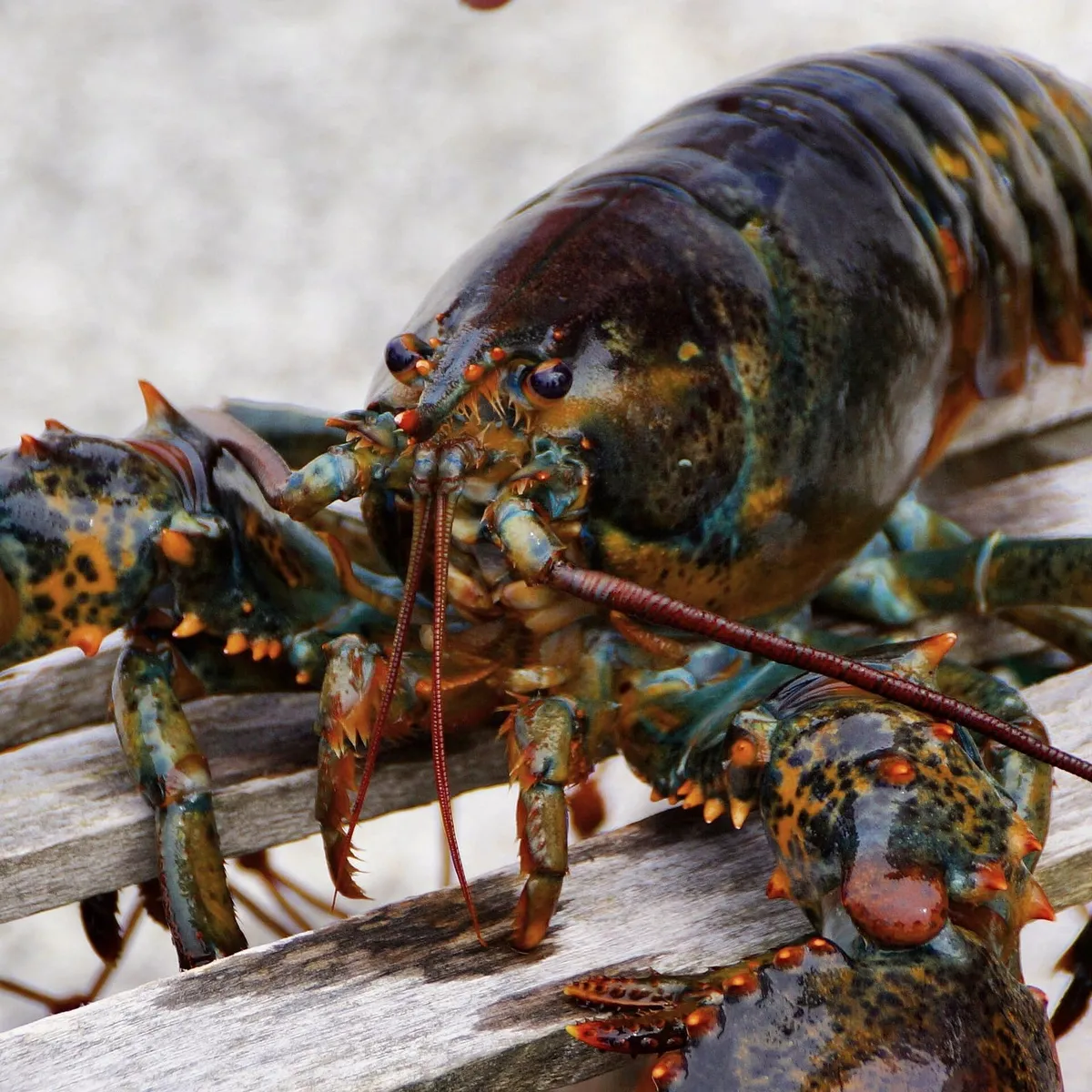
The difference between hard shell vs soft shell lobster comes down to moulting. A lobster grows by shedding its shell. For a month or two afterwards it wears a thin new shell with watery meat that doesn’t yet fill it: that’s a soft-shell, or “new-shell,” lobster. A hard-shell lobster is one whose shell has hardened and whose meat has filled out. Hard-shells give you more meat per pound and travel well. Soft-shells crack open by hand, and many people find them sweeter, but you pay for the extra water.
Nova Scotia’s main seasons are set to land mostly hard-shell lobster, which is one reason the province’s catch ships so well. Our pillar guide to buying live lobster in Nova Scotia covers where and how to buy. This article explains what shell condition means for your plate and your wallet.
Why lobsters have soft shells: the moulting connection
A lobster’s shell can’t grow, so the lobster replaces it. According to Fisheries and Oceans Canada’s (DFO) Underwater World profile of the American lobster, a new soft shell forms under the old one. The lobster splits the old shell, backs out, and then takes in water to puff itself up about 10 to 15 percent larger than before. DFO describes the new shell at this stage as “very tender.” The lobster eats a lot of calcium-rich food and sometimes its own cast-off shell to harden it again.
Size is only half the story. DFO notes that for one or two months after a moult, the flesh is watery and “does not quite fit the shell.” Over the following months the meat fills in, and a lobster that has fully refilled its new shell is about 50 percent heavier than it was before the moult.
How often this happens depends on size. DFO’s Maritimes inshore lobster management plan says a lobster at the legal size of 82.5 mm carapace length weighs about 0.45 kg (1 lb) and moults once a year. A 1.4 kg (3 lb) lobster moults only every 2 to 3 years. Small table lobsters, the ones most of us buy, moult the most often.
For the biology of the moult itself, see our guide to American lobster facts.
Hard shell vs soft shell lobster at a glance
| Hard-shell lobster | Soft-shell (new-shell) lobster | |
|---|---|---|
| Stage | Shell hardened, meat filled out | Recently moulted; thin shell, meat not yet filled out |
| Meat yield (Maine industry figures) | About 19–22% of live weight | About 16–18% of live weight |
| Texture and colour of meat | Firmer, “meatier,” more orange (industry description) | Softer, more water, brighter red (industry description) |
| Cracking | Needs a cracker for the claws | Often opens by hand |
| Holding and shipping | Hardy; ships long distances | Fares poorly in holding and transport |
| Price | Higher | Lower per pound |
| Squeeze test | Rigid | Flexes or dents |
The yield and texture rows come from the Maine Lobster Marketing Collaborative, a U.S. industry body. The handling row comes from Atlantic Canadian research cited below.
Soft shell lobster meat yield: how much less do you get?
This is the practical heart of the matter. The Maine Lobster Marketing Collaborative says a hard-shell lobster “will generally yield 19-22%” of its live weight as meat, compared with 16 to 18 percent for a summer new-shell lobster. Part of a soft-shell’s weight is seawater sitting in the gap between the meat and the shell.
On a 1½ lb (680 g) lobster, those percentages work out to roughly 4.6 to 5.3 oz (130 to 150 g) of meat from a hard-shell and 3.8 to 4.3 oz (110 to 120 g) from a soft-shell. That’s our arithmetic from the industry figures, not a measured result. We found no Canadian government yield figure, and retailers quote wider ranges, so treat these as rough guides.
Researchers in Atlantic Canada take the yield gap seriously. A 2017 study of more than 130,000 lobsters sampled in southwestern Nova Scotia between 2004 and 2014, published in FACETS by researchers at the Atlantic Veterinary College and DFO, opens by noting that soft-shelled lobsters “pose economic challenges to the lobster industry due to low meat yields and survivability during holding and transportation.”
Does soft-shell lobster taste different?
Many say so, though taste is personal and the claims mostly come from marketers. The Maine Lobster Marketing Collaborative calls new-shell meat sweet and tender, with “more water content,” and describes hard-shell meat as having “a brinier flavor with a meatier and firmer texture.”
In practice:
- Soft-shells are lovely eaten whole and hot with butter, where tenderness shines and the easy cracking is a bonus.
- Hard-shells are the better buy for picked meat: rolls, chowder, salads, anything where you’re paying for weight of meat.
- Soft-shells cook a little faster. Our lobster boiling time chart suggests checking them a couple of minutes early.
Why hard-shell lobster ships better
A recently moulted lobster is physically weaker. DFO scientists John Tremblay, Jean Lavallée and Ross Claytor, in a presentation on moult timing and Maritimes lobster seasons, list two reasons recently moulted lobsters are worth less in Canada: lower meat yield, and being “weaker and less able to withstand post-capture holding and transport.” The same presentation notes that southwest Nova Scotia’s 2003–04 season had a particularly high share of soft-shells and “high mortalities during holding.”
That matters in a province that ships a great deal of its catch live to distant markets. A lobster that has to survive days in a box, a truck or a cargo hold needs to arrive alive. A 2022 dataset paper in Scientific Data on the Atlantic Lobster Moult and Quality project makes the same point: soft-shelled lobsters “fare poorly during transportation and holding.”
Why soft-shell lobster is cheaper
Less meat and poorer survival mean buyers pay less. We found no published Nova Scotia price series that splits hard and soft shells, so the clearest figures come from Maine, where summer shedders are a large part of the catch. In late July 2021, the Maine Lobstermen’s Community Alliance reported boat prices (in U.S. dollars) of:
| Buyer (Maine, late July 2021) | Hard-shell | Soft-shell |
|---|---|---|
| Corea Lobster Cooperative | $7.00/lb | $5.10/lb |
| Fisherman’s Cooperative, Vinalhaven | $8.20/lb | $6.85/lb |
| Cape Porpoise Lobster | $7.50/lb | $6.50/lb |
Those are prices paid to harvesters, not retail prices, and they are one snapshot. The pattern is the useful part: soft-shells sell at a discount, so make sure you’re getting one.
Shedder lobster and new shell lobster: the vocabulary
You’ll hear several names for the same thing:
- Soft-shell: the plain description.
- New-shell: the marketing term preferred in Maine, where summer new-shell lobster is sold as a seasonal speciality.
- Shedder: wharf and trade slang for a lobster that has recently shed its shell. The Maine Lobstermen’s Community Alliance uses it interchangeably with “soft shell.”
- Hard-shell: a lobster whose new shell has hardened and whose meat has filled out. It’s the grade live-lobster shippers want.
How to tell a hard-shell from a soft-shell lobster
Squeeze the body. Hold the lobster from above and press the sides of the carapace (the body shell behind the head) between your thumb and fingers.
- Hard-shell: rigid, like pressing a solid case. No give at all.
- Medium: a slight flex, then springs back.
- Soft-shell: the shell bends or dents noticeably, sometimes with a papery crackle.
This isn’t just kitchen lore. Atlantic Canada’s moult-and-quality monitoring program recorded shell hardness as “soft, medium or hard” by hand-squeezing the carapace, according to the Scientific Data paper. The authors note that the test is subjective. Industry also uses a blood-protein (Brix) test with a refractometer, because blood protein falls after a moult and rises as the meat fills in. You won’t see that at a retail counter, but a wholesaler may grade by it.
Other clues:
- Weight in the hand. A hard-shell feels dense for its size. A soft-shell can feel light or “empty.”
- Ask. A good seller knows what’s coming off the boats this week. Ask, “Are these hard-shell?”
- Season. See the next section.
Our pillar guide on how to buy live lobster in Nova Scotia covers the rest of a pre-purchase check, from liveliness to smell.
When are lobsters hard shell? Nova Scotia vs Maine
Commercial-size lobsters in the Maritimes typically moult between June and September, according to the DFO presentation. Warm water brings the moult earlier. In the same presentation, a 1994 warm year moved moult dates two to four weeks earlier than in cold 1993. Between moults the shell hardens and the meat fills in, so lobster is generally at its hardest and fullest from late fall through spring.
Nova Scotia’s seasons avoid the moult
DFO scientists say Atlantic Canada’s lobster seasons are “timed to reduce incidence of recently molted (‘soft-shell’) lobsters,” and that most Canadian seasons are closed from mid-July to mid-October. The rule has deep roots: DFO’s management plan notes that some of the first lobster regulations, in 1873, restricted the sale of soft-shell lobsters.
| Area | Usual season (DFO) | Shell condition you can expect |
|---|---|---|
| LFAs 33 and 34 (Halifax County to Yarmouth and Digby) | Last Monday in November to May 31 | Mostly hard; soft shells possible early in the season |
| LFA 35 (Upper Bay of Fundy) | October 14 to December 31, and last day of February to July 31 | Mostly hard; check late in each season |
| LFAs 27–32 (Cape Breton and Eastern Shore) | Spring into early summer; 2026 dates April 9 to July 8 depending on area | Hard in spring; DFO is adjusting end dates to cut handling of recently moulted lobster |
Season dates change, so check the current DFO notice or our Nova Scotia lobster season guide before you plan around them. The LFA 35 lobster season guide covers the Fundy split season in detail.
Two cautions keep this from being a guarantee:
- Soft shells still turn up. The DFO presentation reports more soft-shelled lobsters in December in fall seasons, because of later-than-normal moults, and more in late spring, because of earlier ones. The 2017 FACETS study found that the annual share of soft-shells in its southwestern Nova Scotia sampling ranged from 9 to 38 percent and varied between fishing areas.
- Seasons are being tuned. Starting in 2026, DFO is running a five-year pilot that shifts season dates in LFAs 27–32 (except LFA 28). It says the change is meant “to reduce the handling of egg-bearing or recently moulted lobster at the end of the season,” according to DFO’s 2026 notice.
Maine sells the moult
Maine takes the opposite approach. The Maine Lobster Marketing Collaborative says lobsters there shed “from mid-summer to late-fall,” and sells summer new-shell lobster as a seasonal treat, while noting that hard-shell lobster “can be caught year-round.” So if you’re comparing a summer lobster dinner in Maine with a winter one from southwest Nova Scotia, you’re often comparing a soft-shell with a hard-shell, and the meat yield will differ.
Which should you buy?
- For a lobster supper, eaten whole and hot: either works. Soft-shells are easier on the hands; hard-shells are more filling per pound.
- For picked meat (rolls, chowder, mac and cheese): buy hard-shell. You get more meat for your money.
- For travel or holding a day or two: buy hard-shell. It survives far better.
- If soft-shells are cheaper: buy a bit more weight per person to make up for the lower yield.
When you’re ready to cook, our pillar guide on how to cook lobster the Nova Scotia way takes it from there. More buying advice lives in our buying and storing hub.
Frequently asked questions
Is hard-shell or soft-shell lobster better?
It depends on what you want. Hard-shell lobster has more meat for its weight, firmer texture and survives travel better. Soft-shell (new-shell) lobster is easier to crack and often described as sweeter and more tender, but it carries more water and less meat.
How can you tell if a lobster is hard shell or soft shell?
Squeeze the sides of the body shell (carapace) between thumb and fingers. A hard-shell lobster feels rigid like a solid case; a soft-shell lobster flexes or dents. Researchers in Atlantic Canada grade shells as soft, medium or hard using this same hand-squeeze test.
What is a shedder lobster?
A shedder is a lobster that has recently moulted, or shed, its old shell. Its new shell is thin and its meat has not yet filled the shell, so it is sold as soft-shell or new-shell lobster.
When are lobsters hard shell in Nova Scotia?
Commercial-size lobsters in the Maritimes usually moult between June and September, so lobster is generally hardest from late fall through spring. Nova Scotia's biggest fishery, in LFAs 33 and 34, runs from late November to May 31, and seasons are timed to avoid recently moulted lobster, though some soft shells still turn up.
Why is soft-shell lobster cheaper?
Soft-shell lobsters yield less meat and are weaker, so they survive holding and shipping poorly. Buyers pay less for them; in late July 2021, Maine co-ops reported paying roughly $1 to $2 USD a pound less for soft-shells than hard-shells.
Sources
We check facts against primary sources wherever possible. Season dates and regulations can change, so confirm with Fisheries and Oceans Canada before you rely on them.
- Risk factors associated with soft-shelled lobsters (Homarus americanus) in southwestern Nova Scotia, Canada (Thakur, Revie, Stryhn, Tibbetts, Lavallée and Vanderstichel) — FACETS, 2017
- Warmer temperatures, molt timing and lobster seasons in the Canadian Maritimes (Tremblay, Lavallée and Claytor) — Fisheries and Oceans Canada scientists, presented to the Gulf of Maine Council
- Fisheries dataset on moulting patterns and shell quality of American lobsters H. americanus in Atlantic Canada (Koepper et al.) — Scientific Data, 2022
- Underwater World: The American Lobster — Fisheries and Oceans Canada, 1988
- Inshore Lobster Integrated Fisheries Management Plan (LFAs 27–38), Maritimes Region — Fisheries and Oceans Canada, 2019
- 2026 Lobster Fishing Areas 27 to 32 management measures — Fisheries and Oceans Canada, 2026
- Why Make It Maine? Questions to Ask Your Purveyor — Maine Lobster Marketing Collaborative (Lobster from Maine)
- Lobster prices strong as shedder season ramps up — Maine Lobstermen's Community Alliance, 2021
Image credits
- Header photo: Photo: Stiller Beobachter via Wikimedia Commons · CC BY 2.0 (cropped and resized)
hard shellsoft shellnew shellsheddersmoultingmeat yield