How to Eat a Whole Lobster: A Step-by-Step Guide
How to eat a lobster, step by step: twist off the claws, crack the knuckles, push out the tail, pick the legs and body, and know which parts to skip.
By NovaShell Editorial Team · · 7 min read
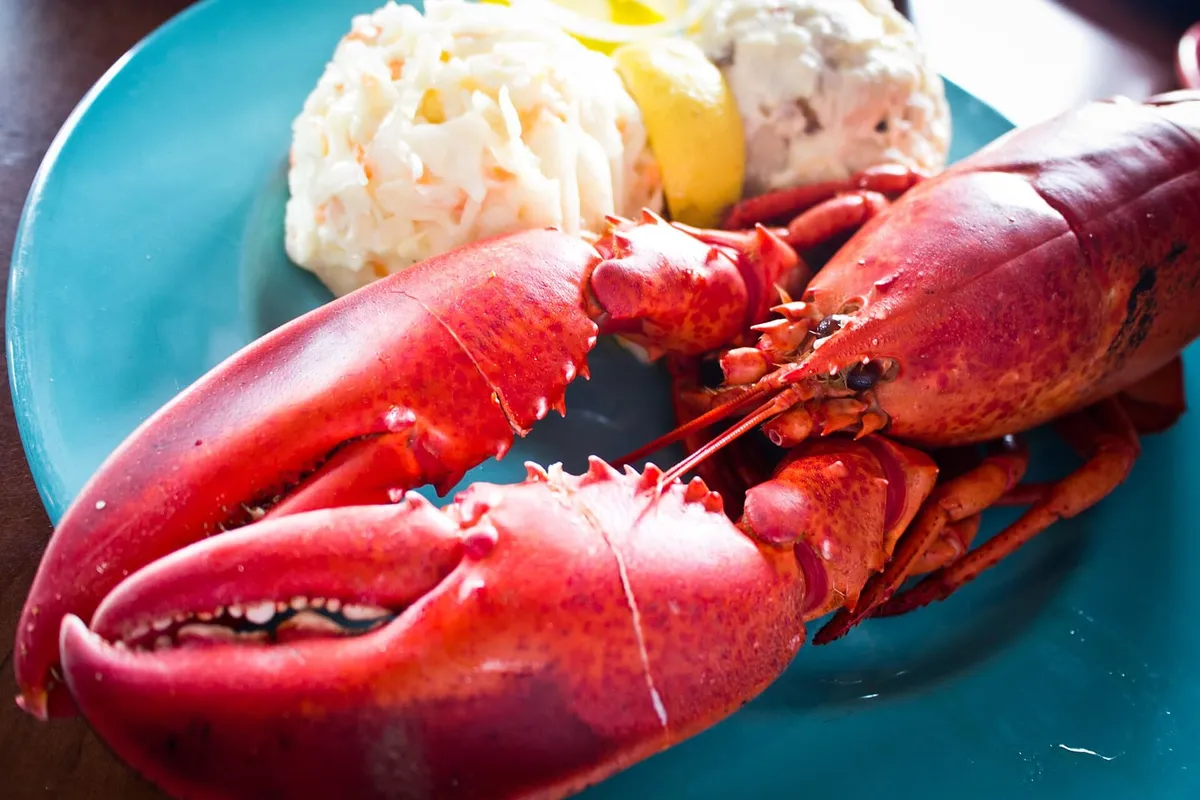
To eat a lobster, twist off the two claws, then crack the claws and knuckles and pull out the meat. Twist the tail away from the body, snap off the tail fins and push the tail meat out in one piece. Finish by picking the legs and the body. All you really need is a cracker, a pick and somewhere to put the shells. Work over your plate or wear a bib: the Maine lobster industry’s own guide warns that the water inside “can squirt out unexpectedly.”
This guide assumes your lobster is already cooked. If it isn’t, start with how to cook lobster the Nova Scotia way or our lobster boiling time chart. Let a freshly cooked lobster rest for about five minutes before you open it. The Maine boiling guide says this lets the meat absorb moisture, and it also saves your fingers.
Lobster eating tools (and what you can do without)
| Tool | What it’s for | Do you need it? |
|---|---|---|
| Lobster cracker or nutcracker | Claws and knuckles | Very helpful with hard-shell lobsters |
| Lobster pick or small seafood fork | Knuckle meat, legs, body joints | Yes, or use the tip of a teaspoon |
| Kitchen scissors | Cutting the tail shell and the underside of the body | Optional, but the tidiest way in |
| Bib and lots of napkins | The juice inside the shell | Yes |
| Bowl for shells | Keeping the table manageable | Yes |
| Melted butter and lemon | Dipping | Tradition says yes |
The Halifax Public Libraries’ guide to eating a Nova Scotia lobster suggests the same basic kit: a nutcracker or lobster cracker, a pick, scissors and an optional knife and fork. It also suggests keeping a bucket or large bowl and paper towels nearby.
Bare hands work better than you’d think. Soft-shell lobsters, the ones that have recently moulted, often have shells you can crack by squeezing or bending. Hard-shell lobsters usually need a cracker for the claws. Our guide to hard-shell vs soft-shell lobster explains the difference.
How to crack a lobster, step by step
1. Twist off the claws
Hold the body in one hand. Grip a claw close to where it joins the body and twist it off. The knuckle (the jointed arm between claw and body) should come away with it. Do the same on the other side. On a large lobster, the bigger “crusher” claw has more meat. Our American lobster facts guide explains why the two claws are different.
2. Separate the knuckles from the claws
Bend the knuckle back at the joint and pull it off the claw. Crack each knuckle segment with a cracker, or snip it lengthwise with scissors. Then use your pick to push out the meat. Many people miss these pieces, and the Halifax library guide makes a point of not leaving them behind.
3. Open the claw
First, wiggle the small, movable “thumb” of the claw side to side and pull it straight off. A thin piece of cartilage usually comes out with it, and there’s often a sliver of meat inside you can reach with the pick. Then crack the main part of the claw once across the widest part and peel the shell away. If you’re lucky, the meat slides out in one claw-shaped piece.
4. Twist off the tail
Hold the body in one hand and the tail in the other. Twist and bend the tail until it separates. You may see green tomalley or red roe at the joint (more on those below).
5. Snap off the tail fins
Bend the tail fan back to snap off the flippers. Each one holds a small bite of meat. Push it out with your finger or the pick, or just squeeze it out with your teeth.
6. Push out the tail meat
Put a fork or your finger into the end where the fins were. Push firmly, and the whole tail should slide out of the wide end in one piece. If it’s stubborn, try one of these:
- squeeze the sides of the tail shell together until it cracks, then pull it open
- use scissors to cut down the middle of the thinner underside of the shell
Lay the tail meat flat and peel off the thin strip of meat on top. You’ll find a dark vein running down its length. That’s the digestive tract. Lift it out and throw it away. The Halifax library guide calls the tail the best meat and the largest single piece.
7. Eat the legs
The eight walking legs are where patient eaters get rewarded. Snap each leg off at the body and break it at the joint. Then bite down on one end and squeeze the meat out with your teeth, as the Maine guide suggests, or suck it out like a straw. Some people roll legs flat with a rolling pin or bottle to push the meat out. The Halifax library guide simply says to break the legs and suck out the meat.
8. Open the body
This is the messiest part, and you can skip it. But the joints where the legs attached hold small pockets of meat. Pull the hard upper shell (the carapace) away from the underside. Then crack the underside in half down the middle, or cut it with scissors, and pick the meat out of the little chambers along each side.
What parts of a lobster are edible?
| Part | Eat it? | Notes |
|---|---|---|
| Tail meat | Yes | The largest piece; remove the dark vein |
| Claw and knuckle meat | Yes | The most tender meat |
| Leg and body-joint meat | Yes | Small but sweet |
| Tail fin meat | Yes | One bite per fin |
| Roe (eggs, only in females) | Yes | Many people enjoy it |
| Tomalley (green digestive gland) | In moderation | See Health Canada advice below |
| Stomach sac behind the eyes | No | Discard |
| Gills (feathery strands under the body shell) | No | Discard |
| Dark vein in the tail | Best removed | Harmless, but gritty |
What about the green tomalley?
The green paste in the body is the tomalley, the lobster’s liver and pancreas. Some people love it and some people won’t touch it. Advice varies too: the Maine guide simply tells you to discard it, while the Halifax library guide notes that it can be eaten. The Lobster Council of Canada goes further: it says the tomalley “should not be thrown away, as it is delicious,” and suggests saving it for sauces. The same guide notes that the roe “turns brilliant red when cooked,” and that the stomach sac near the head and the gills should be discarded.
Health Canada’s 2014 advice is more specific. A very small number of lobsters can carry paralytic shellfish poisoning (PSP) toxins in the tomalley. So children should not eat lobster tomalley, and adults should have no more than the amount from one cooked lobster per day. The same advice says there are no health concerns with eating lobster meat itself, because the toxins aren’t normally found there.
Eating lobster in a restaurant or at a lobster supper
Lobster suppers in church halls and fire halls became a tradition in Atlantic Canada, and many restaurants now carry it on. Saltscapes’ 2019 feature on traditional lobster suppers describes the format: a whole lobster with lemon and melted butter, often already split, with the claws and knuckles cracked for you. One supper even gave diners a paper placemat printed with step-by-step instructions. If yours arrives pre-cracked, steps 1 to 3 above are mostly done. Pull the pieces apart and go straight for the meat.
A few practical points of etiquette:
- Nobody expects neatness. Using your hands is normal. Wear the bib if one is offered.
- Ask for a shell bowl and extra napkins if they aren’t already on the table. Wet wipes or a lemon wedge help with fishy fingers afterwards.
- Crack away from your neighbours. Point the claw down towards your plate when you crack it, and cover it with a napkin if it’s a squirter.
- Don’t feel you have to eat the tomalley or roe to be polite. It’s entirely your choice.
- Pace yourself. Suppers often come with sides like potato salad, rolls and pie, and a whole lobster is more filling than it looks.
Our where to eat lobster in Nova Scotia guide lists places to look, region by region.
Mess-control tips for eating lobster at home
- Cover the table with newspaper or brown paper. When you’re done, bundle the shells up in it.
- Drain the lobster first. Hold it over the sink by the tail and let water run out of the body before it goes on the plate.
- Cut, don’t smash. Scissors cause less splatter than a cracker, especially on the tail and body.
- Keep the shells. The bodies and legs make an excellent stock.
- Pick leftovers right away. It’s much easier to get the meat out while the lobster is still warm. Refrigerate any picked meat promptly.
New to buying lobster? Start with how to buy live lobster in Nova Scotia, then browse the rest of our lobster cooking and recipe guides.
Frequently asked questions
What part of the lobster can you not eat?
Skip the stomach sac behind the eyes, the feathery gills under the body shell and the dark vein that runs down the tail. The tomalley (green liver) is edible, but Health Canada advises adults to limit it and children not to eat it.
Do you need special tools to eat a lobster?
No. A lobster cracker or nutcracker, a small pick or seafood fork and kitchen scissors make it easier, but soft-shell lobsters can be opened by hand. Have a bowl for shells and plenty of napkins.
Is there meat in lobster legs?
Yes. The walking legs hold thin strips of sweet meat. Snap each leg off and squeeze the meat out with your teeth or roll it out with a rolling pin.
Can you eat the green stuff in a lobster?
The green tomalley is the lobster's digestive gland, and many people eat it. Health Canada recommends that children not eat tomalley and that adults have no more than the amount from one cooked lobster per day.
Sources
We check facts against primary sources wherever possible. Season dates and regulations can change, so confirm with Fisheries and Oceans Canada before you rely on them.
- How to Eat a Nova Scotia Lobster — Halifax Public Libraries, 2020
- How to Break Down a Maine Lobster — Maine Lobster Marketing Collaborative (Lobster from Maine)
- Preparing Lobster — Lobster Council of Canada
- Health Canada is Reminding Canadians to Limit Consumption of Lobster Tomalley — Health Canada, 2014
- Down home cooking scaled up: traditional lobster suppers — Saltscapes, 2019
- How to Boil Lobster — Maine Lobster Marketing Collaborative (Lobster from Maine)
Image credits
- Header photo: Photo: Benson Kua via Wikimedia Commons · CC BY-SA 2.0 (cropped and resized)
eating lobsterlobster toolslobster suppertomalleywhole lobster