How Long Can a Lobster Live Out of Water?
How long can a lobster live out of water? About 36 to 40 hours chilled and damp at home, 2 to 3 days in commercial cold chains, and far less if warm or dry.
By NovaShell Editorial Team · · 5 min read
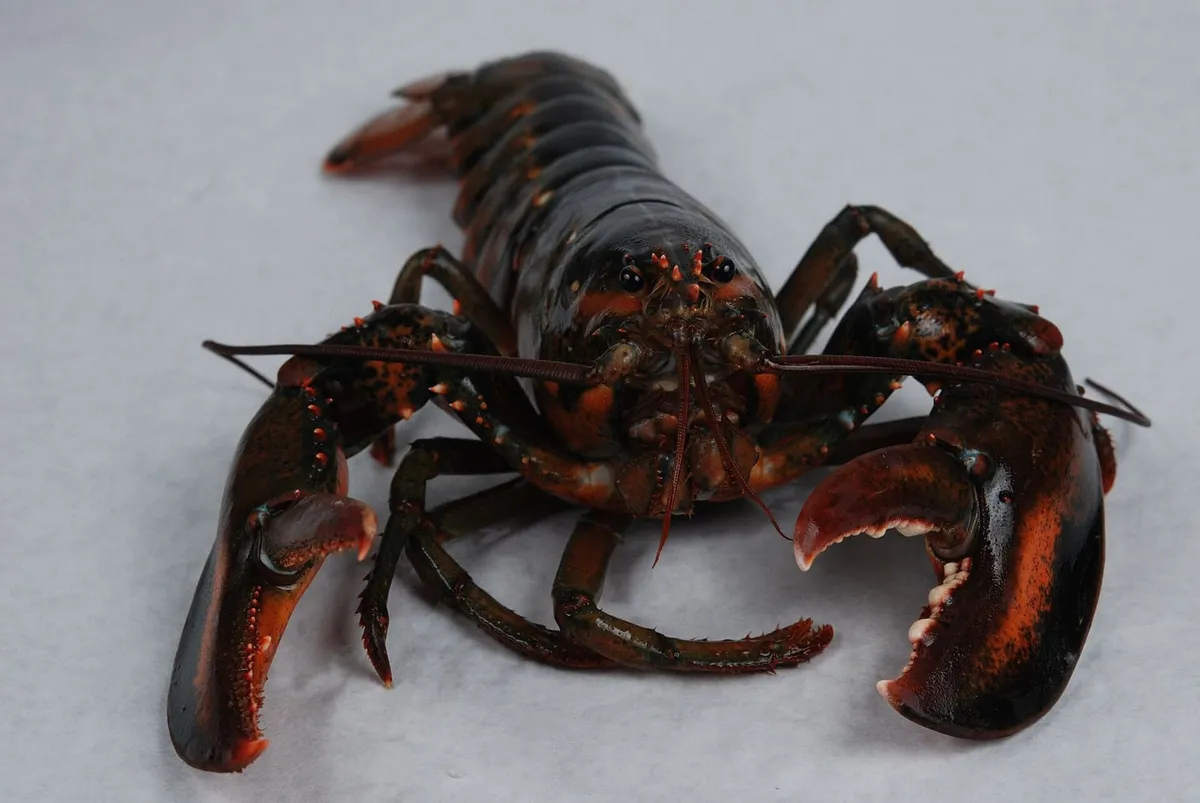
A healthy lobster can live out of water for about 36 to 40 hours if it is kept cold and damp. That’s the figure from the Lobster Council of Canada for lobster stored in an open container in the fridge, its gills kept moist under damp newspaper or towels. In professional cold chains, scientists say the species can survive two to three days. A lobster left warm and dry lasts far less time. Cold and moisture make the difference between a lobster that arrives lively and one that doesn’t make it to the pot.
This guide explains why, what it means for shipping Nova Scotia lobster around the world, and how to tell when a lobster is fading. For step-by-step home storage, see our companion guide on how to store live lobster.
Why can lobsters survive out of water at all?
Lobsters breathe through gills tucked under the sides of the carapace. Fishermen’s Voice, reporting on advice from Maine’s Lobster Institute and the AVC Lobster Science Centre at the University of Prince Edward Island, describes “twenty sets of feathery gills, which need constant bathing in well-oxygenated ocean water.”
Out of the sea, those gills can still take in some oxygen from moist air, as long as they stay wet. That’s why a lobster doesn’t die the moment it leaves the trap. Two things then decide how long it lasts:
- Moisture. Damp gills keep working. As they dry, the lobster effectively suffocates. Wind and sun speed that up. In the same Fishermen’s Voice report, a PEI harvester said sun and wind cause lost fluid and “loss of body weight.”
- Temperature. Lobsters are cold-blooded, so their metabolism follows the temperature around them. A cold lobster needs less oxygen and burns through its reserves more slowly. Fishermen’s Voice notes that keeping a lobster cool slows both its need for oxygen and the spread of disease.
For more on how lobsters are built, see our guide to American lobster facts.
Lobster survival time out of water: what the sources say
| Conditions | Survival time | Source |
|---|---|---|
| Fridge, open container, damp newspaper or towels | 36 to 40 hours | Lobster Council of Canada |
| “Kept cool and humid,” as in commercial transport | 2 to 3 days | Lorenzon et al., 2007, peer-reviewed study |
| “Properly cared for” | Up to two days | Fishermen’s Voice, 2010 |
| Warm, dry, in sun or wind | Much shorter; no reliable figure found | See below |
We couldn’t find a trustworthy published number for a lobster left at room temperature. Online figures vary widely and aren’t backed by research we could check, so we won’t repeat them. What the research does show is that warmth hurts. In the 2007 study in Comparative Biochemistry and Physiology, Lorenzon and colleagues simulated transport with air exposure at lobster body temperatures of 6°C and 15°C. The warmer lobsters showed much bigger and longer-lasting signs of physiological stress in their blood chemistry, including lactate, a marker of oxygen debt, and glucose. Their work starts from the premise that American lobster “can survive 2-3 days out of water if kept cool and humid.”
Bottom line: keep lobster out of water for as short a time as possible, keep it cold and damp, and cook it within about a day of buying it.
Why this matters for shipping Nova Scotia lobster
Nova Scotia’s lobster business depends on that two- or three-day window. Much of the catch is sold live, and it has to cross an ocean or a continent and still be alive at the other end. Our guide to Nova Scotia lobster exports covers where it goes.
How live lobster travels
A 2016 Fishermen’s Voice visit to the Gateway air-freight facility at Halifax’s airport gives a picture of the cold chain:
- Lobster was handled in a warehouse kept at 4°C (39°F).
- Each box held 8 to 14 lobsters, depending on size.
- Boxes were built onto aircraft pallets of 120 to 160 boxes, ready to be loaded by 8 p.m. for flights to Asia.
The principle is the same one you use at home, on a bigger scale: cold, damp, packed snugly so lobsters don’t thrash, and moved quickly.
Why shell condition decides who survives the trip
Not every lobster handles the journey equally. A lobster that has recently moulted is softer and weaker. DFO scientists John Tremblay, Jean Lavallée and Ross Claytor, in a presentation on moult timing, describe recently moulted lobsters as “weaker and less able to withstand post-capture holding and transport.” They note that southwest Nova Scotia’s 2003–04 season, which had many soft-shells, saw “high mortalities during holding.”
A 2017 study of more than 130,000 lobsters from southwestern Nova Scotia, published in FACETS, lists low meat yield and poor “survivability during holding and transportation” as the economic problems with soft-shelled lobsters. That’s one reason Atlantic Canada’s seasons are timed to avoid the summer moult, and why shippers want hard-shell lobster. Our guides to hard-shell vs soft-shell lobster and lobster molting explain the cycle.
For you, the takeaway is simple: a hard-shell lobster will last longer in your fridge than a soft-shell one.
Signs of a dying lobster
A lobster fresh from a cold tank or fridge is naturally slow. Give it a minute in your hands before judging. Then look for:
- Claws that hang down instead of lifting when you pick it up.
- A tail that hangs limp rather than curling under the body or flapping.
- Legs that barely move. The FDA’s seafood buying advice says live lobsters “should show some leg movement.”
- No reaction to handling at all, even after warming slightly.
What to do follows the Lobster Council of Canada’s rule: “Any sluggish lobster should be cooked immediately, and non-responsive lobsters that may be dead should be discarded.”
Don’t cook a dead lobster
The FDA states that crabs and lobsters “spoil rapidly after death, so only live crabs and lobsters should be selected and prepared.” That’s why lobsters are sold and cooked alive, and why the Lobster Council says to discard non-responsive ones rather than gamble.
Practical rules:
- Cook weak lobsters first. If one in your batch is fading, cook it now rather than waiting for the rest.
- When in doubt, throw it out. You can’t tell by looking how long a lobster has been dead, and a lobster supper isn’t worth the risk.
- Already cooked is different. Once cooked, lobster goes in the fridge like any other cooked seafood. Our pillar guide on how to cook lobster covers cooking and leftovers.
How to keep lobster alive longer: the short version
- Cold: fridge at 4°C or below, or a cooler with gel packs. Never the freezer.
- Damp: damp newspaper, towels or seaweed over the lobsters; re-wet as needed.
- Air: open container or loose lid, never a sealed bag.
- No fresh water: no tap water, no loose ice melting onto them. The Lobster Council warns against “fresh water of any kind, ice or otherwise.”
- Gentle handling: Fishermen’s Voice passes on the Lobster Institute’s advice to handle each lobster like an egg: never throw or drop it.
- Quick turnaround: buy close to cooking time and cook within about a day.
The full how-to, including cooler packing for a road trip, is in our guide on how to store live lobster. More buying guides are in our buying and storing hub.
Frequently asked questions
How long can a lobster live out of water in the fridge?
About 36 to 40 hours, according to the Lobster Council of Canada, if it is kept in an open container in the fridge with its gills kept moist under damp newspaper or towels. Plan to cook it within a day for best quality.
How long can a lobster survive out of water at room temperature?
Much less time than when chilled, and we found no reliable figure to quote. Warmth speeds up the lobster's need for oxygen while dry air shuts down its gills. Research shows lobsters held at 15°C are far more stressed than those at 6°C, so never leave live lobster sitting out.
Why do lobsters die out of water?
Lobsters breathe through feathery gills that need to be bathed in oxygen-rich seawater. Out of the water, damp, cold gills still take in some oxygen, but as they dry the lobster effectively suffocates.
Can you cook a lobster that died?
It isn't recommended. The FDA says lobsters spoil rapidly after death and only live ones should be prepared, and the Lobster Council of Canada says non-responsive lobsters that may be dead should be discarded. Cook sluggish lobsters right away instead.
How do they ship live lobster overseas?
In cold, damp, insulated boxes moved through a chilled supply chain. At the Gateway air-freight facility at Halifax's airport, live lobster was handled in a warehouse at 4°C, packed 8 to 14 lobsters to a box and built onto aircraft pallets.
Sources
We check facts against primary sources wherever possible. Season dates and regulations can change, so confirm with Fisheries and Oceans Canada before you rely on them.
- Handling Lobster — Lobster Council of Canada
- Stress effect of different temperatures and air exposure during transport on physiological profiles in the American lobster Homarus americanus (Lorenzon, Giulianini, Martinis and Ferrero) — Comparative Biochemistry and Physiology Part A (record at University of Trieste), 2007
- Protecting Lobster from Ocean to Plate — Fishermen's Voice, 2010
- Gateway Ships 90 Tons of Lobster on One Plane — Fishermen's Voice, 2016
- Risk factors associated with soft-shelled lobsters (Homarus americanus) in southwestern Nova Scotia, Canada (Thakur et al.) — FACETS, 2017
- Warmer temperatures, molt timing and lobster seasons in the Canadian Maritimes (Tremblay, Lavallée and Claytor) — Fisheries and Oceans Canada scientists, presented to the Gulf of Maine Council
- Selecting and Serving Fresh and Frozen Seafood Safely — U.S. Food and Drug Administration
Image credits
- Header photo: Photo: Louisiana Sea Grant College Program Louisiana State University via Wikimedia Commons · CC BY 2.0 (cropped and resized)
live lobstersurvivalgillsshippingfood safety