Nova Scotia Lobster Chowder Recipe: A Brothy, Buttery Maritime Bowl
A Nova Scotia lobster chowder recipe: potatoes, onion, butter, milk and cream, plus a quick stock from the shells. Includes haddock and scallop variations.
By NovaShell Editorial Team · · 6 min read
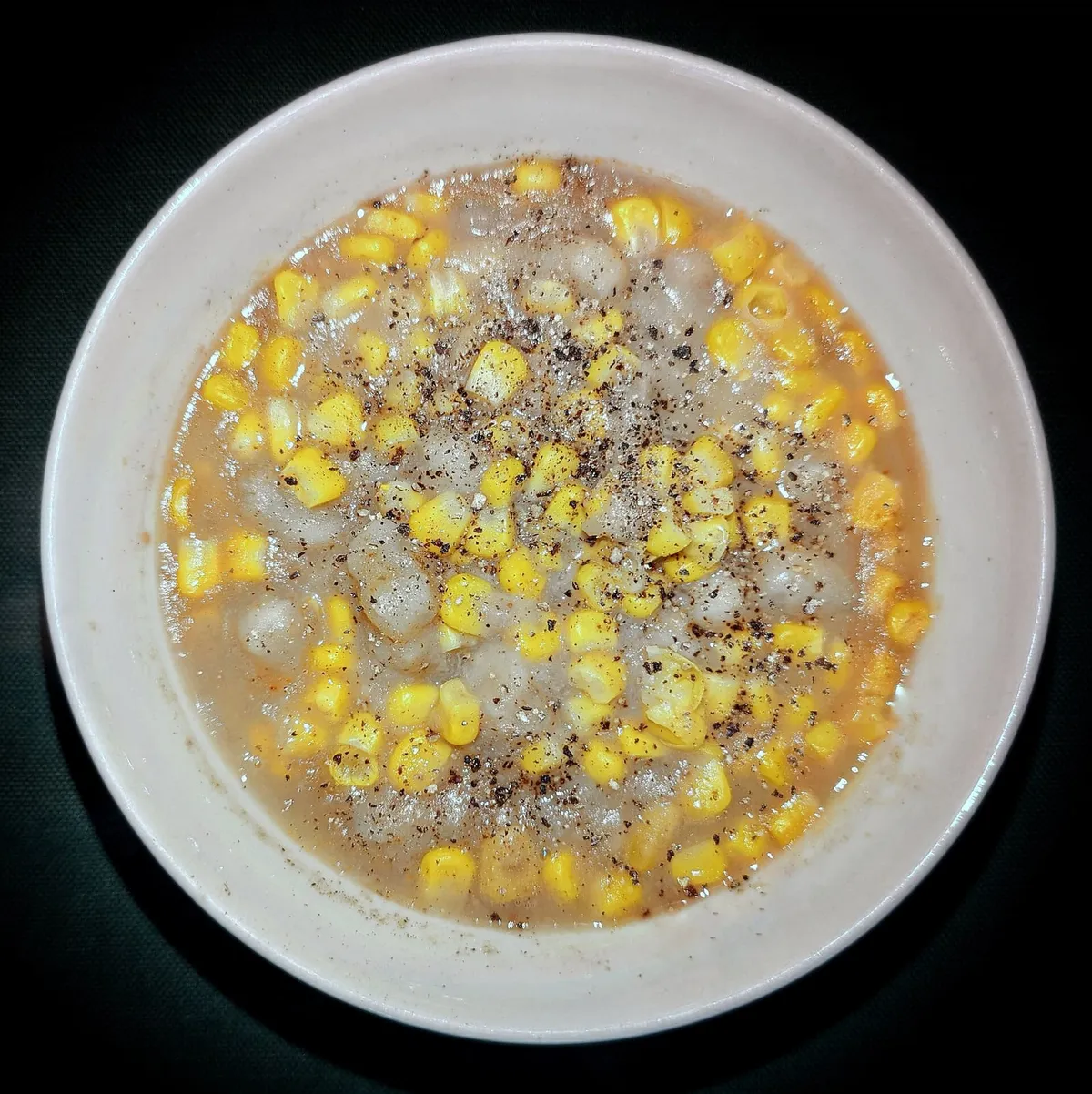
A good lobster chowder recipe from Nova Scotia is simple: potatoes, onion and plenty of butter, simmered in a light stock made from the lobster shells, then finished with milk and cream and generous chunks of lobster. It is brothy rather than pasty, it gets its body from potato starch rather than a heavy roux, and it tastes of lobster rather than flour. The recipe card below makes six bowls from two cooked lobsters.
For the lobster itself, our guide to how to cook lobster the Nova Scotia way covers boiling and steaming, and the lobster boiling time chart by weight gives you exact minutes. Slightly undercooking lobsters destined for chowder is a smart move, since the meat warms again in the pot.
What makes a Maritime chowder different?
Chowder is a shared dish across the North Atlantic, but the Maritime version has its own character. Wikipedia’s overview of chowder describes Canadian chowder, especially in the Maritime provinces, as thinner and more seafood-forward than American versions. That matches what you get in kitchens from Yarmouth to Cape Breton: a milky broth, tender potato, and seafood as the main event.
Nova Scotia’s own food writers say the same. A Saltscapes piece on seafood chowder then and now (2016) sums up the traditional bowl as fresh fish, garden potatoes, cream and butter, with a little salt and pepper. A 2009 Saltscapes feature on chowder in southwest Nova Scotia described an award-winning Yarmouth-area chowder built on scallops, haddock, lobster, diced potatoes, butter and 10 per cent cream, with a whole onion simmered in and lifted out before serving. One cook in that story put the key plainly: good chowder starts with good seafood.
The history runs deep. The word’s origin is debated, with theories pointing to French words for a cooking pot or a fish soup, and early shipboard chowders were thickened with hard biscuit rather than flour. Wikipedia cites a 1766 account by the naturalist Joseph Banks of a soup of salt pork, fish and biscuit boiled for about an hour. Milk, cream and potatoes became the standard later.
Lobster chowder ingredients, and why each one matters
| Ingredient | What it does | Tips |
|---|---|---|
| Lobster meat | Flavour and texture | Claw and knuckle stay tender; cut tail into bite-sized chunks |
| Lobster shells | A light stock that doubles the lobster flavour | Remove gills and stomach sac first |
| Butter | Richness; carries the lobster colour | Warm the meat in butter until it turns orange |
| Onion (and celery) | Sweet, savoury base | Cook gently; browning muddies the colour |
| Potatoes | Body and thickening | Yellow-fleshed potatoes hold shape but release some starch |
| Milk and cream | The creamy broth | Heat gently; never boil after adding |
| Flour (optional) | A little extra body | One tablespoon is plenty |
Make a quick stock from the shells
This is the step that turns a creamy soup with lobster in it into a true lobster chowder. After picking the meat, put the shells and bodies in a pot with cold water, bring it up, and simmer gently for about 45 minutes. Before they go in, pull off and discard the feathery gills and the small, gritty stomach sac just behind the eyes.
Leave the green tomalley out too. Health Canada advises that children not eat lobster tomalley and that adults limit it to the amount from one cooked lobster per day, because it can contain paralytic shellfish toxins; the meat itself is not a concern.
No shells? Use a light fish or seafood stock, or even water with a splash of clam juice. The chowder will be milder but still good.
How to get the texture right
Let the potatoes do the thickening. Cut them into even 1.5 cm cubes so they cook at the same rate. When they are just tender, press a few against the side of the pot with a spoon. The released starch gives the broth body without any flour taste.
Go easy on flour. Many Nova Scotia cooks use none at all. If you like your chowder a little thicker, one tablespoon stirred into the softened onions is enough for six servings. A flour-heavy chowder that holds a spoon upright is not the Maritime style.
Never boil the dairy. Once milk and cream are in, keep the pot at a bare simmer or just below. Boiling can make the dairy separate and the lobster tough.
Warm the lobster in butter. Gently heating the meat in butter before it goes in turns the butter orange and tints the whole chowder a pale gold. This is the creamy lobster chowder look people expect from a Maritime kitchen.
Let it rest. Chowder improves as it sits. Even 20 to 30 minutes off the heat with the lid on helps the lobster, butter and broth come together. It is a good dish to make a few hours ahead.
Variations: Nova Scotia seafood chowder
Lobster chowder and Nova Scotia seafood chowder share the same base, and it is easy to stretch a small amount of lobster into a seafood chowder for a crowd.
- Haddock: Add 300 to 450 g (⅔ to 1 lb) of boneless haddock, cut into large chunks, when the potatoes are nearly tender. It flakes as it cooks, which is what you want.
- Scallops: Halve large sea scallops and add them in the last 3 to 4 minutes. Overcooked scallops turn rubbery.
- Clams or mussels: Steam them open separately, strain the cooking liquid into the chowder and add the meat at the end.
- Smoked fish: A little smoked haddock or salmon adds depth; use it sparingly so it does not take over.
- Corn: In late summer, a cup of fresh corn kernels added with the milk gives sweetness and colour. Tourism Nova Scotia’s lobster dining roundup features a Halifax lobster and corn chowder built on local lobster, sweet corn and new potatoes.
- Salt pork or bacon: Render a few cubes in the pot first and cook the onions in the fat, a nod to older chowders.
Serving, storing and reheating
Serve chowder hot in warmed bowls with chives on top and oyster crackers, tea biscuits or buttered bread alongside. A Nova Scotia lobster roll on the side makes it a feast.
For leftovers, Health Canada’s safe food storage chart lists soups at 2 to 3 days in the fridge but cooked shellfish at just 1 to 2 days, so with lobster in the pot, plan to finish it within a day or two. Its leftovers advice is to refrigerate promptly in shallow containers so food cools quickly, and to reheat to 74°C (165°F); for soups it also says to bring them to a full rolling boil, stirring as you go. With a cream-based chowder that means stirring constantly over medium heat and accepting that the texture may loosen a little.
Chowder can be frozen (Health Canada lists soups at up to 4 months), but potatoes turn grainy and cream tends to separate on thawing. If you want to cook ahead, freeze the stock or the potato-and-onion base, then add the milk, cream and lobster on the day.
Where the lobster comes from
Chowder season and lobster season overlap nicely. According to a Fisheries and Oceans Canada briefing note, Lobster Fishing Areas 33 and 34 in southwest Nova Scotia, Canada’s largest lobster fisheries, are scheduled to open on the last Monday in November, weather permitting, and fish until the end of May. Our Nova Scotia lobster season guide explains which areas are fishing when, and our guide to buying live lobster in Nova Scotia covers what to look for. Smaller, less expensive lobsters are ideal for chowder, since the meat is going to be cut up anyway; our guide to lobster sizes and grades explains the names you will see at the counter.
For more ideas, browse our lobster recipes or start with the complete guide to Nova Scotia lobster.
Recipe
Nova Scotia Lobster Chowder
- Serves
- 6 servings (about 2.25 L)
- Prep
- 30 min
- Cook
- 1 hr 15 min
- Total
- 1 hr 45 min
Ingredients
- 2 cooked lobsters, 1¼ to 1½ lb (565 to 680 g) each, or 350 to 450 g (¾ to 1 lb) cooked lobster meat
- 1.25 L (5 cups) cold water, for the shell stock (or 750 ml/3 cups ready-made fish or seafood stock)
- 1 bay leaf and a few black peppercorns, for the stock
- 5 tbsp butter, divided
- 1 large yellow onion, finely diced
- 1 stalk celery, finely diced (optional)
- 700 g (1½ lb) yellow-fleshed potatoes, peeled and cut into 1.5 cm cubes
- 1 tbsp all-purpose flour (optional, for a slightly thicker chowder)
- 500 ml (2 cups) whole milk
- 250 ml (1 cup) 18% table cream or 10% half-and-half
- Salt and white or black pepper
- Pinch of paprika (optional)
- Chopped chives or parsley, and oyster crackers or tea biscuits, to serve
Method
- Pick the meat from the lobsters, cut it into bite-sized pieces, and refrigerate it. Keep the shells and bodies; remove and discard the gills and the stomach sac behind the eyes, and discard the tomalley.
- Put the shells in a pot with the cold water, bay leaf and peppercorns. Bring to a boil, lower to a gentle simmer and cook uncovered for 45 minutes. Strain; you should have about 750 ml (3 cups) of light stock.
- In a heavy soup pot, melt 3 tbsp butter over medium-low heat. Cook the onion and celery with a pinch of salt for 8 to 10 minutes, until soft but not browned.
- If using flour, stir it into the onions and cook for 1 minute. Add the potatoes and the strained stock. Bring to a simmer and cook, partly covered, for 12 to 15 minutes, until the potatoes are just tender. Lightly crush a few cubes against the side of the pot to thicken the broth.
- Lower the heat. Stir in the milk and cream and heat gently until steaming. Do not let it boil, or the dairy may curdle.
- Meanwhile, melt the remaining 2 tbsp butter in a small frying pan over low heat. Add the lobster meat and paprika if using, and warm for 2 to 3 minutes, until the butter turns orange. Scrape the lobster and butter into the chowder.
- Season with salt and pepper. Take the pot off the heat, cover, and let the chowder rest for 20 to 30 minutes so the flavours come together, then rewarm gently and serve with chives and crackers or biscuits.
Frequently asked questions
Is Nova Scotia lobster chowder thick or thin?
Traditionally on the thinner side. Maritime chowder is usually a milky, buttery broth thickened mostly by the starch from the potatoes, not a gluey, flour-heavy soup. A spoonful of flour is optional if you like more body.
How much lobster do I need for lobster chowder?
About 350 to 450 g (¾ to 1 lb) of cooked meat makes six generous bowls. That is roughly two lobsters of 1¼ to 1½ lb each.
Can you freeze lobster chowder?
You can, but the potatoes turn grainy and the cream may separate. For the best texture, freeze the base without the dairy and lobster, then add them fresh when you reheat.
How long does lobster chowder keep in the fridge?
Health Canada lists soups at 2 to 3 days in the fridge, but cooked shellfish at only 1 to 2 days, so eat lobster chowder within a day or two and reheat it to 74°C (165°F).
What is the difference between lobster chowder and lobster bisque?
Chowder is chunky, with potatoes and pieces of lobster in a milky broth. Bisque is smooth, made by simmering and straining the shells, then finishing the strained soup with cream.
Sources
We check facts against primary sources wherever possible. Season dates and regulations can change, so confirm with Fisheries and Oceans Canada before you rely on them.
- Chowder Power — Saltscapes, 2009
- Seafood Chowder Then and Now — Saltscapes, 2016
- Chowder — Wikipedia
- Food safety tips for leftovers — Health Canada
- Safe food storage — Health Canada
- How would you like your lobster served? — Tourism Nova Scotia
- Question Period Note: Lobster Season Opening — Fisheries and Oceans Canada, 2022
- Health Canada reminding Canadians to limit consumption of lobster tomalley — Health Canada, 2014
Image credits
- Header photo: Photo: Daderot via Wikimedia Commons · CC BY-SA 4.0 (cropped and resized)
chowdersouprecipesseafood chowderlobster stock